
Gili Hoxhaj
Një mbrëmje. I njëjti festival. Dy zhanre të ndryshme artistike dhe dy botë të ndryshme në një. Pikërisht këtë qëllim e mbart festivali “FemArt” tash e sa vjet. T’i përplasë botët e brendshme me realitetin jashtë. Të bëhet zë i të fshehtave brenda secilit. Pa pyetur sa të dhemb, tenton të nxjerrë për të shëruar diçka. “Përqafoje të panjohurën” është udhë që vazhdon duke zbuluar përditë një dimension të saj. Dhe bazuar në këtë, mbrëmja e tretë e festivalit “FemArt” në qendër kishte atë që është më e njohura për ne – familja.
Gjërat që dalin prej saj janë e panjohura, të cilën pikërisht kur nuk ia dalim ta përqafojmë, krijojmë trazira që ndonjëherë shkojnë më larg sesa që mund ta mendojmë, më larg sesa që mund ta parashikojmë.
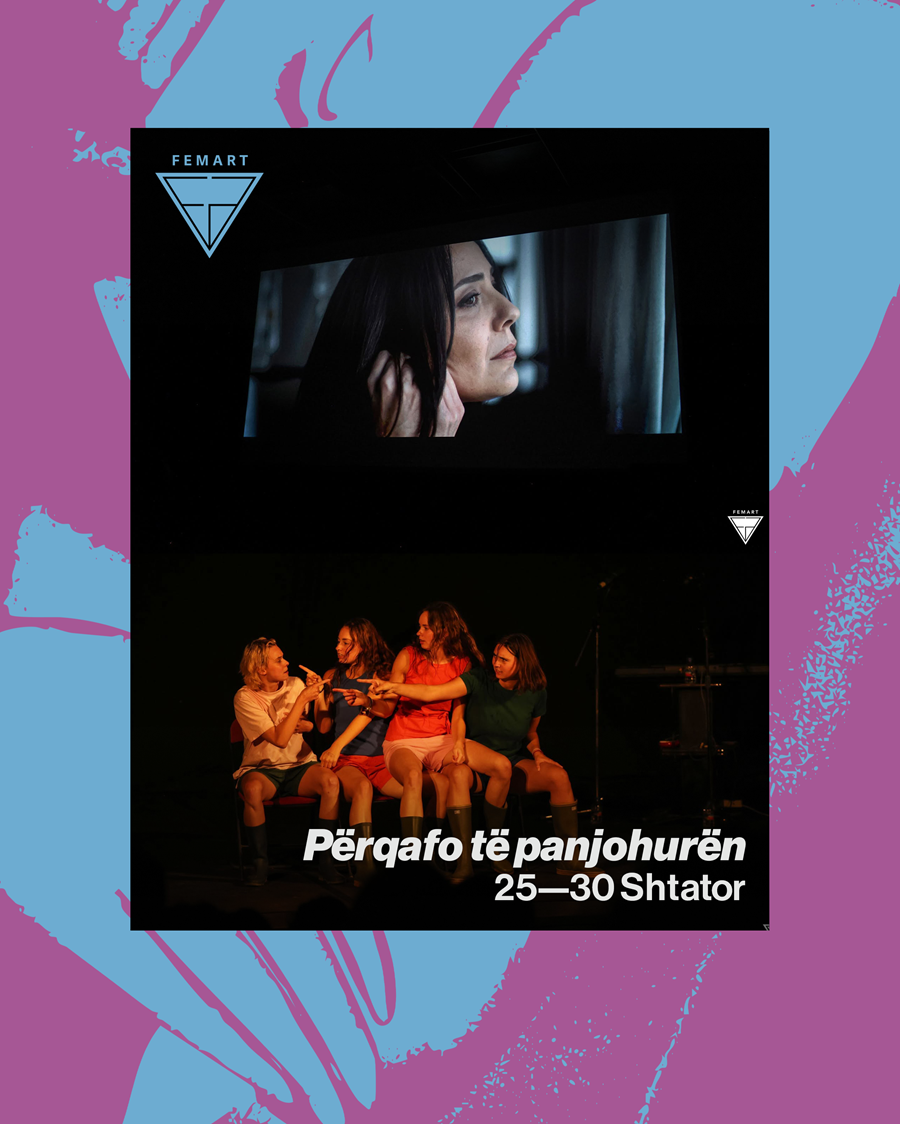
Në teatrin “Dodona” publiku pati dhe të qeshura. Qysh në start. Personazhet, mbi të gjitha, kanë shumë ngjyra në personalitetin e tyre. Kjo shpërfaqet edhe në veshje. Kanë diçka nga ngjyrat e njëra-tjetrës, pak nga e qeshura, pak nga histeria, pak nga mllefi, pasionin për të luajtur, pasionin për të kënduar dhe luajtur në instrument. Janë motra. Luftojnë kujtimet dhe i gëzojnë ato. Të rriturit kanë barrën e fëmijërisë që vetëm ata me të cilët e ke jetuar e kuptojnë. Ata me të cilët ke ngrënë nga e njëjta tavolinë dhe je rritur mbi të njëjtat direktiva. Por as atyre prindërit s’u kanë thënë të njëjtat fjalë. Fshehurazi synojnë ta ndajnë me publikun këtë mburrje dhe “sekret” mes motrash, se si njëherë njërës babai i kishte thënë: “Je më e talentuara”.
Luna, Winter, Toulouse dhe Jules De Cock nga Belgjika guximshëm hapin derën e një bote intime dhe na ftojnë të hyjmë brenda historive të tyre përmes shfaqjes “Motrat”.
Akullin me publikun e thyejnë qysh në fillim. Kanë mësuar fjalën “Motrat” dhe fjalën “Faleminderit”. Treguan entuziazmin për FemArt dhe Kosovën. E publiku i bën ftesë të afrohej për t’i lexuar titrat. Një prej ëndrrave të tyre kishte qenë të luanin “Motrat” – ishin një më shumë se “Tri motrat” e një prej dramave më të njohura të Anton Çehovit. Duke krijuar akte që nxjerrin historitë, dashurinë dhe përballjen me dhimbjen, ato kalojnë nga akti në akt, mes monologësh, dialogësh e muzikës. Derisa njëra prej tyre shpërthen. E mërzitur nga tema e divorcit, të stërpërsëritur, ajo kërkon një derë që i hap dyert paqes. Trauma do kapërcim. Shfaqja si e tillë kombinoi humorin, autenticitetin, emocionin dhe imagjinatën. Godet individin dhe familjen. Të përkasësh dhe të jesh vetja në të njëjtën kohë.
Ajo që e bën “Motrat” të veçantë është se kufiri mes jetës reale dhe teatrit shkrihet. Katër motrat nuk interpretojnë vetëm personazhe, por sjellin në skenë edhe veten, marrëdhënien e tyre, marrëdhënien me publikun dhe historinë që ndajnë. Kështu, shfaqja shndërrohet në një reflektim mbi motërzimin, familjen dhe mënyrën se si njerëzit që rriten bashkë mund të kenë njëkohësisht histori krejtësisht të ndryshme.
“Pikë Uji” zhvendosi publikun në kinema – me një dramë që godet më thellë në familje
Për publikun e FemArt pati veç një pauzë të shkurtër, aq sa mund të zgjaste rruga me këmbë prej teatrit “Dodona” deri te Kino Armata. Takohen shkurt në hyrje para sallës ku filmi do të niste. Diskutojnë pak për takimet e ditës, librat që u promovuan, shfaqjen që i bëri dhe të qeshin dhe nisen drejt karrigeve pa e ditur që historia në ekran s’është një fund i bukur filmi. Histori me të cilën do të ecësh nga kinemaja në shtëpi. Madje të bën të dalësh shpejt nga kinemaja për të ikur nga kjo histori, nga një realitet në të cilin jo gjithmonë të drejtët dalin triumfues. Në rolet kryesore luajnë Gresa Pallaska, Arben Bajraktaraj, Adem Karaga.
Gresa Pallaska, në rolin e Aidës dyzet e pesë vjeçe, funksionare në bashkinë e një qyteti të vogël në Jug të Shqipërisë, buzë liqenit të Ohrit, i duhet të luftojë me ngrehinën e një sistemi korruptiv, pjesë e të cilit është edhe ajo vetë, kur Marku, i biri adoleshent, rrezikon dënimin me burg për përdhunimin e një shoqeje të klasës. Vetëm kur përballet me sistemin dhe për të nxjerrë në pah drejtësinë, ajo fundoset edhe më tej në të errëtën e tij. Si nënë, harron gjithçka tjetër, ushqimin, punën, bashkëshortin dhe do vetëm ta nxjerrë djalin nga burgu. Kjo situatë ia shemb të gjitha – karrierën dhe familjen – dhe ia vë në pikëpyetje rolin e saj si nënë në edukimin e djalit të saj. Aida rrugës e kupton se në këtë luftë është e vetme. Pasi kupton të vërtetën e djalit të saj, s’mund ta shohë më në sy dhe të flasë. Bota e saj thyhet. Edhe pse të gjithë vazhdojnë njësoj, për të asgjë nuk ecën me ritëm të njëjtë.
Në një orë e gjysmë të filmit, regjisori ia ka dalë të trokasë në ndërgjegjen njerëzore. Të tregojë anën e pushtetit, të dinakërisë, mospërfilljes dhe jetës së shkapërderdhur të adoleshentëve. Të adoleshentëve që i besojnë më shumë pushtetit të prindërve edhe mbi veprimet e ulëta.
Kur të gjithë vazhdojnë jetën mbi padrejtësi, vetëm Aida, e cila është zhveshur nga të gjitha të vërtetat, nuk drekon më njësoj, as nuk përfshihet më njësoj. Ajo mbetet një nënë që duket se kurrë s’mund ta falë veten. Shikimi i saj ka dëshpërim dhe është më i thellë mbi të vërtetën dhe pasojat që lë ajo. Të tjerët jetojnë me peshën e fajit duke e shpërfillur. Për Aidën familja më nuk është streha e sigurt, Marku nuk është fëmija që ajo kishte pretenduar se e kishte rritur, bashkëshorti s’ishte burri që e mendonte dhe drejtuesi i vendit ku jetonte ishte kurora e një sistemi që, për të mbrojtur veten, përjashton çdo gjë tjetër.
“Pikë Uji” është shfaqur në festivale ndërkombëtare, përfshirë Warsaw Film Festival, Göteborg, Cottbus, Sofia dhe Bari. “Pikë Uji”, me regji të Robert Budinës dhe skenar nga Robert Budina, Doruntina Basha dhe Ajola Daja, është edhe filmi që është përzgjedhur për të përfaqësuar Shqipërinë në garën për Oscar, në garën për Filmin më të Mirë Ndërkombëtar në edicionin e 97-të të Academy Awards.
